Out-of-State Restraining Orders: Protection Without Borders
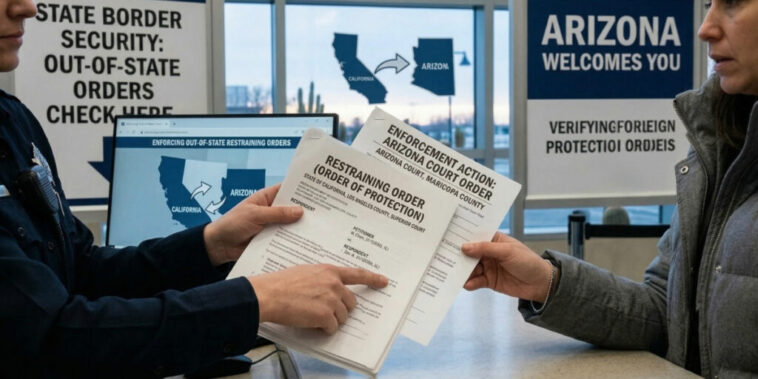
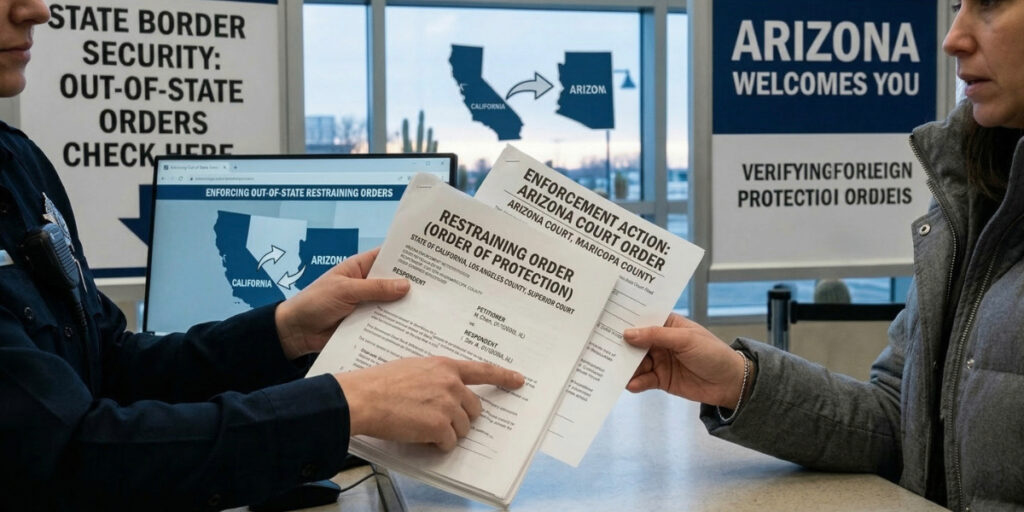
Relocating to a new state is often a fresh start filled with hope. However, for victims of domestic abuse, the move may also come with its own set of tangled issues. When leaving one state with an existing restraining order and settling in Arizona, many wonder how the order will continue to protect them. This opinion editorial examines how Arizona enforces out-of-state restraining orders, explores the role of federal and state law, and discusses the fine points of maintaining legal protection across borders.
In our discussion, we will take a closer look at the legal framework that allows an order from another state to retain its protective power, offer advice on whether and how to register your order locally, and address the consequences for abusers who breach these protections. Moreover, this editorial touches on related family law concerns—especially in custody and parenting disputes—and outlines available legal support when things feel overwhelming.
Understanding Restraining Orders in Arizona: The Core Concepts
Arizona courts issue restraining orders—commonly known as orders of protection—to shield individuals from abuse, harassment, threats, or harmful contact. Although the term “restraining order” is popularly used, the state often refers to these measures as orders of protection or injunctions against harassment, depending on the circumstances. Essentially, these legal tools are designed to create clear boundaries that abusers must not cross.
Under Arizona law, especially statutes like A.R.S. § 13-3602 and related provisions, courts are empowered to grant protection orders if domestic violence has occurred or if there is reasonable cause to suspect that abuse might follow. In plain language, this means that victims have access to a range of legal remedies designed to keep them safe—even if the order was issued in another state.
This discussion is critical because it lays the foundation for our examination of how out-of-state orders are treated once a person makes Arizona their home.
How Federal Law and Arizona Statutes Work Together
One of the key elements that gives out-of-state restraining orders their lasting power is the full faith and credit clause. Both federal law and Arizona statutes support the enforcement of protective orders issued elsewhere, provided they meet specific legal requirements. Whether it is through the Violence Against Women Act (VAWA) or state provisions, the legal system is designed to extend protection beyond state borders.
For many individuals seeking a safer environment, it is reassuring to know that crossing state lines does not nullify an existing order. Instead, the foundational idea is to maintain consistent protection, regardless of where you reside. This principle ensures that abusers cannot simply follow their victims from one state to another without facing legal consequences.
Enforcing Out-of-State Orders: Key Legal Concepts
Arizona law enforcement agencies can enforce orders from other states as long as certain criteria are met. These include:
- Verification that the original court had jurisdiction to issue the order
- Confirmation that the restrained party received notice according to due process standards
- Ensuring that the order is still active and has not expired
A table summarizing these requirements can help simplify the picture:
| Requirement | Reason It Matters |
|---|---|
| Issuing Court Had Jurisdiction | Ensures that the authority to issue the order was legitimate |
| Due Process Notice | Confirms that the other party was properly informed, which is a legal must-have for enforceability |
| Order Remains Active | If expired, the protective effects diminish significantly |
This table provides a quick reference to understand how these rules align to keep the protection effective even after relocation.
Registering Your Order in Arizona: Is It Necessary?
A frequent question raised by those moving to Arizona with an existing restraining order is whether the order needs local registration. The short answer is usually no; however, there are multiple layers to consider.
Registration involves filing your order with a local court or clerk’s office, thereby creating a local record. For some, this process may speed up law enforcement response and reduce any confusion over the order’s existence. While the order is generally enforceable without local registration—thanks to databases shared among law enforcement nationwide—a registered order offers additional peace of mind.
Pros and Cons of Registering Your Order Locally
Below is a list of reasons why registering might be beneficial, as well as potential drawbacks to consider:
-
Pros:
- Simplifies law enforcement verification during a crisis
- Ensures local courts have updated contact information
- May expedite the issuance of emergency protections if violations occur
-
Cons:
- Registration might require sharing details that can seem intimidating
- Office procedures may vary, introducing slight differences in documentation
Ultimately, the decision to register is a personal one and may depend on the specifics of your case. When in doubt, consulting with a legal professional—be that a family law lawyer or a legal paraprofessional—can help you figure out the best path.
Temporary Versus Permanent Orders: Choosing the Right Kind of Protection
The type of restraining order you hold when moving into Arizona can significantly affect your next steps. There are usually two options: temporary orders and permanent orders. Each comes with its own set of things to consider.
Temporary Orders: The Quick Fix
Temporary orders are often stepped in during an urgent crisis when immediate protection is necessary. They are issued swiftly to provide rapid relief while a court schedules a hearing for a more detailed evaluation. Although these orders are critical when time is of the essence, they come with specific challenges:
- Tracking Hearing Dates: Since a temporary order is provisional, keeping track of upcoming hearings in the original jurisdiction is super important.
- Service Issues: Ensuring that the restrained party is properly served even after moving can be nerve-racking.
- Cross-Jurisdictional Coordination: If the issuing state still has a hearing scheduled, maintaining clear records can simplify the process.
Permanent Orders: A More Enduring Shield
Permanent restraining orders, in contrast, generally result from a fuller court process where both parties have a chance to present their cases. While the term “permanent” may suggest an unending barrier, in practice these orders tend to last for extended periods and are easier to enforce consistently. However, they also have their own complicated pieces:
- Long-Term Tracking: It becomes super important to note when the order may expire and whether any modifications are needed.
- Changing Circumstances: New incidents or threats may require additional legal steps or fresh orders to ensure continued protection.
For many victims, the decision of whether to pursue a new order in Arizona depends on both the current situation and the type of order they already hold. When circumstances change—such as if the abuser now lives in Arizona—a new protective order might become necessary.
Consequences When an Abuser Violates a Restraining Order in Arizona
One of the most serious concerns when relying on an out-of-state restraining order is understanding what happens if the abuser violates it. Arizona law takes any breach of these orders very seriously, and law enforcement is authorized to intervene promptly.
Violations can vary in nature—from direct confrontations like showing up uninvited at your home to more subtle actions such as repeated phone calls or messages. Regardless of the method, each violating act is capable of sparking legal action. Here are some common violations:
- Unwanted visits to your home or workplace
- Repeated, harassing calls or messages
- Attempts to make contact through third parties
When faced with a violation, the following steps are commonly advised:
- Call local law enforcement immediately
- Keep a reliable copy of your restraining order on you at all times
- Document any evidence of violations meticulously with dates, times, and the nature of the incident
- Consult with legal professionals to decide if a new order or modifications are needed
Arizona codes such as A.R.S. § 13-2810 outline the potential criminal charges that may apply when a restraining order is knowingly violated. This strict stance helps deter abusers and provides an additional layer of reassurance for those trying to escape an abusive situation.
Family Law Matters: Balancing Custody and Protection
When restraining orders come into play, particularly in family law, several more tangled issues may arise—especially in custody and parenting time disputes. Courts in Arizona evaluate custody arrangements according to the best interests of the child. However, when there’s a history of domestic violence or abuse, those decisions become even more complicated.
For some parents, a restraining order may influence custody arrangements by:
- Mandating supervised exchanges for children
- Limiting direct contact between the abuser and the children
- Requiring specific protocols to ensure the child’s safety during visits
The legal impact of the restraining order in custody matters is a subject that deserves extra attention. State laws like A.R.S. § 25-403 instruct judges to consider multiple fine shades when deciding parenting time and custody matters. In instances where the abuser poses a genuine threat, the court could impose restrictions that extend beyond just the terms of the restraining order.
This intersection between protection orders and family law raises a critical issue: victims must understand that while a restraining order is essential for their own protection, it does not automatically settle all custody disputes. Different legal actions may be necessary to address parenting time and custody, which is why it is essential to work with legal practitioners who can help steer through both areas simultaneously.
Accessing Legal Support and Resources: A Closer Look
When the legal system seems loaded with issues and it’s hard to figure a path through court procedures, reliable information and accessible support can make a world of difference. Many abuse victims and their families feel overwhelmed when required to handle legal papers and court filings, especially when relocating to a new state.
There are various resources available for tips and support. These include:
- Local domestic violence shelters and advocacy groups
- Court self-help centers, which provide guidance on filing forms and understanding legal language
- Email hotlines and online support networks, which can deliver quick advice during off-hours
- Websites like WomensLaw.org, where you can get super important legal information at little or no cost
- Consultations with legal paraprofessionals who specialize in protective orders
When you’re moving and feeling tense about protecting yourself and your children, knowing where to get advice is key. Remember, while general legal information can be found online or over the phone, a one-on-one consultation with a legal expert who understands the local landscape is irreplaceable—especially when facing nerve-racking legal situations.
Working With Affordable Legal Paraprofessionals: A Practical Alternative
The traditional route in legal matters often directs people towards hiring a lawyer or attorney. However, this path can sometimes be intimidating due to high fees and complicated billing methods. An emerging alternative in Arizona is working with a legal paraprofessional. These experts, approved by the state, offer assistance in family law matters including restraining orders, custody, child support, and more.
Legal paraprofessionals are not attorneys, but they provide critical support in areas where traditional legal advice may be too costly. They help clients figure a path through the maze of legal requirements without the hefty price tag of a full-service attorney. For instance, they can assist with:
- Understanding the fine points of local filing procedures
- Maintaining necessary paperwork and documentation
- Coordinating with law enforcement in cases of order violations
- Advising on whether registering an out-of-state order in Arizona makes sense
A practical table to contrast the two approaches might look like this:
| Aspect | Traditional Attorney | Legal Paraprofessional |
|---|---|---|
| Cost | High fees, often charged by the hour | More affordable, flat-rate or modest fees |
| Accessibility | May be out of reach for low-income families | Designed to be more accessible to those in urgent need |
| Scope of Assistance | Comprehensive legal advice across many legal fields | Focused help in specific areas like family law and protective orders |
This comparison underscores the importance of considering all available options when faced with legal ambiguities. For many, especially those recovering from abuse and facing challenging family law issues, the more economical choice can make all the difference in ensuring continuity of protection.
Overcoming the Confusing Bits: How to Stay Protected and Informed
Every victim’s experience is unique, and sometimes the legal process can seem loaded with problems and filled with confusing bits. From the moment of moving out-of-state to the subsequent need to ensure all records are updated and enforceable, every twist and turn requires careful thought and clear action.
Here are a few suggested strategies to help simplify the process:
- Keep Clear Records: Always have both digital and paper copies of your restraining order accessible, so you can quickly present evidence to law enforcement if needed.
- Document Every Incident: Ensure you write down dates, times, and details if your abuser violates the order—these small distinctions can be crucial in subsequent legal actions.
- Consult with Professionals: Even if it feels off-putting to interact with the legal system, speaking with experts can help you make better-informed decisions.
- Know Local Procedures: Visit the local courthouse or a self-help center to take a closer look at how your order is stored in local databases and how that affects law enforcement response times.
Implementing these strategies can help reduce the off-putting feeling of a complicated legal process by ensuring you have the necessary documentation and support networks in place.
Protecting Your Family: Balancing Legal Protections with Custody Considerations
In many cases, victims of domestic abuse are not dealing solely with their personal safety but also with complex family law issues, like custody and parenting time. When an existing restraining order is part of a broader family law context, the stakes become even higher.
For families, particularly those already burdened with the stress of moving and re-establishing a new home, resolving custody issues while maintaining safety is super important. Often, this means the protective order may influence decisions such as:
- Allocation of physical custody or supervised visitation requirements
- Determining contact arrangements that minimize the risk to the child
- Establishing clear terms that reflect the genuine needs and hidden complexities of domestic situations
Family law courts in Arizona are known to weigh each small twist and the subtle details of the case to decide what is best for the child’s welfare. In situations where an abuser poses risks, judicial decisions may lean towards minimizing contact, even if it means restructuring existing custody agreements.
This dual focus on parental rights and the overall safety of the child ensures that the law not only protects the individual filing the order but also safeguards the most vulnerable members of the family unit.
Real-Life Implications: Cases and Personal Experiences
Beyond the statutory language and court procedures, the true impact of enforcing out-of-state restraining orders is seen in real-life scenarios. Many victims have shared stories of how moving to Arizona allowed them to maintain their safety despite the lingering threat of an abusive ex-partner.
For example, consider a case where an individual fled from a neighboring state, carrying with them a temporary restraining order. After moving to a larger city in Arizona, this person encountered delays due to procedural confusion. However, by quickly registering the order locally and keeping updated copies, local law enforcement was able to swiftly respond when the abuser attempted to make contact. Such personal experiences underline how essential it is to understand the little details of the process, as well as the positive impact of a proactive legal approach.
These experiences are not isolated. Stories of success often contrast sharply with situations where victims did not prepare adequately—highlighting missed opportunities to solidify their protection. A pattern emerges from these narratives: Whether you are dealing with a temporary or permanent order, active engagement with the legal system—by registering orders if necessary or documenting each incident—is critical.
Community and Policy Implications: Charting a Better Future for Protection Orders
The broader implications of enforcing out-of-state restraining orders also touch on community policy and federal standards. It is super important for state and local governments to work together, ensuring a seamless transition when victims of abuse cross state lines. Policies that clarify enforcement procedures can help reduce the nerve-racking uncertainty that survivors may face during transitional periods.
For instance, improved inter-state collaboration and enhanced officer training regarding out-of-state orders can contribute significantly to the continuity of protection. Judicial reforms—aimed at streamlining the process of local registration or updating protective order databases—could also help champions of safety avoid bureaucratic delays when every minute counts.
Furthermore, future policy discussions on protecting victims across state lines should consider:
- The importance of a centralized, accessible database of protective orders
- Enhanced communication between originating state courts and local jurisdictions
- Educational outreach that informs victims of their rights and the procedures for local registration
Such measures are key to building a system where victims feel supported and where the legal framework adapts to the real-world movement of people seeking safety.
Taking the Wheel in Your Legal Journey
While the legal landscape around restraining orders may seem overwhelming at times, there is a path forward. It is super important to take an active role in ensuring your safety by making informed decisions and utilizing available resources. Whether it’s by registering your order, keeping vigilant records, or seeking guidance from legal experts, every proactive step contributes to a safer future.
Although the process might look loaded with problems or be riddled with tension, understanding your rights and the available legal remedies goes a long way in helping you steer through the system. Education, combined with practical legal help, can turn a nerve-racking situation into a manageable one.
Conclusion: A Balanced View on Out-of-State Restraining Orders in Arizona
In conclusion, moving with an existing restraining order does not strip away your right to safety. Arizona’s commitment to upholding federal law and its own statutes ensures that protective orders from other states remain intact—provided that all legal requirements are met. Whether you are contending with temporary or permanent orders, or balancing these protections with complex family law matters like custody, taking proactive steps and seeking the right legal support is essential.
This opinion editorial underscores that while the path through the legal system has its share of twists and turns, victims need not face the journey alone. Through clear documentation, local registration when appropriate, and consultation with legal paraprofessionals or family law experts, you can effectively manage your way through the complicated pieces of the process.
Ultimately, the aim is to create a supportive environment where victims of abuse can move safely and rebuild their lives. As policies evolve and legal professionals continue to advocate for improved enforcement mechanisms, we can hope for a future where every individual’s right to safety is fully protected—no matter which state they call home.
If you’re in Arizona and find yourself navigating these tricky parts, consider your options carefully. Remember, staying informed is key, and professional guidance can often be super important in ensuring your legal rights remain intact. Whether you choose to work with a traditional attorney or a legal paraprofessional, making a well-informed decision is the first step towards creating lasting security and stability in your life.
For those seeking further help or needing clarification on their rights, reaching out to local legal support groups or scheduling a free consultation with a legal expert can be the transformative step that guides you through these challenging times. With the right support network, you can rest assured that protection follows you—across state lines and beyond bureaucratic hurdles.
In a world where protection orders are a lifeline, understanding the fine points of how they work in a new state is not just informative—it’s essential for survival. As our society works to bridge gaps between states and improve the legal system’s responsiveness, every victim deserves to feel secure, empowered, and supported.
As we continue our dialogue on this topic, let us focus on building systems that prioritize safety, clarity, and accessible legal help. For every twist and turn along the way, know that support is available, and taking a proactive stance can make all the difference in your journey towards a safer, more secure future.
Read more about this topic at https://www.denovolawaz.com/out-of-state-restraining-orders-what-happens-when-you-move-to-arizona/
Related articles you might like
Code of Virginia Code – Article 3. Enforcement
How to Enforce a Custody Order Across State Lines